

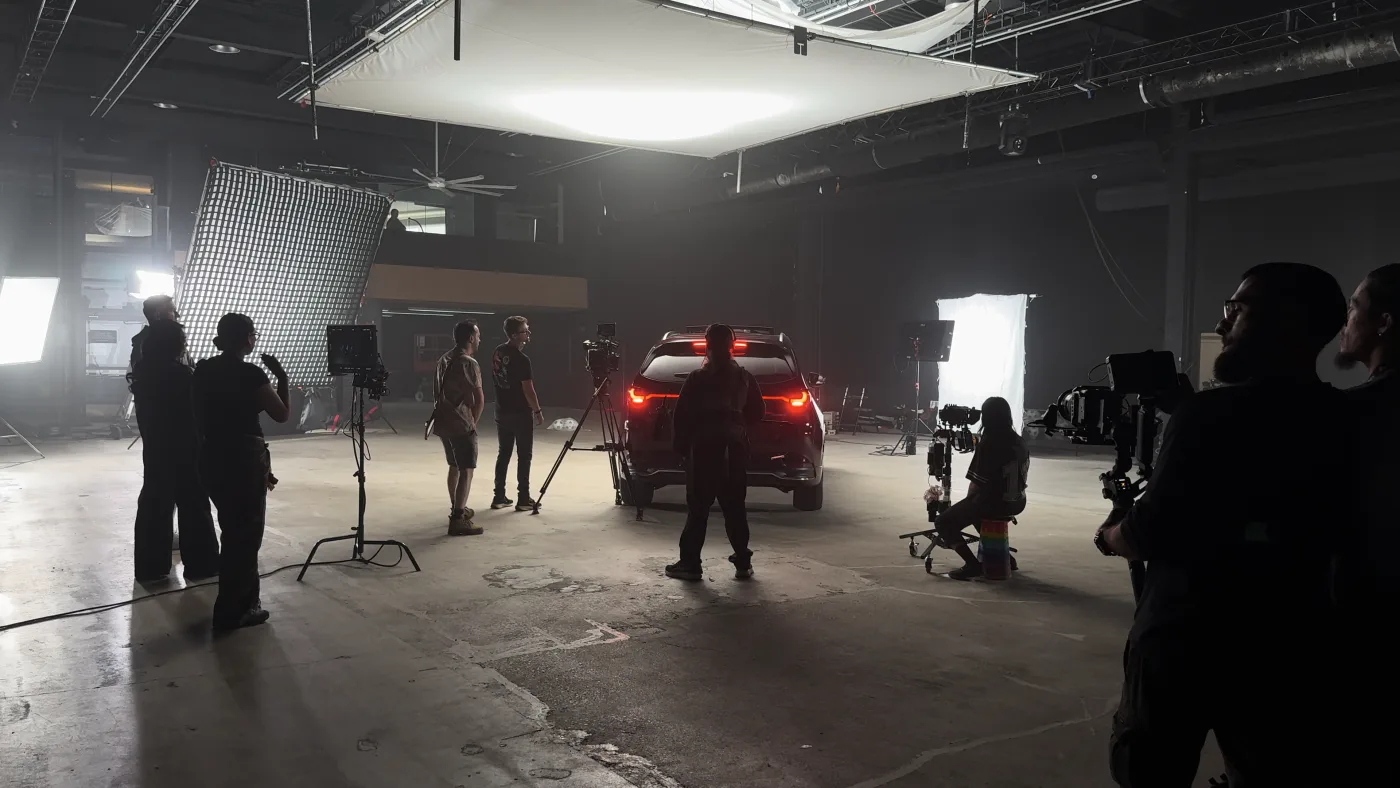
Choosing a film or video production location in Toronto involves more than finding a space that photographs well. The wrong venue adds hours to load-in, limits what lighting and camera setups are possible, and creates friction that compounds across the entire shoot day.
This guide covers the technical and practical factors that actually matter when scouting production locations in Toronto.
Ceiling Height Changes Everything
Most Toronto venues built for events were designed with people in mind, not equipment. Standard ceiling heights of 10 to 14 feet are adequate for a dinner or a meeting. For production, they create real constraints that show up in the final work.
At low ceiling heights, lighting rigs end up below the frame line. Camera angles looking upward are limited to a narrow range. The option to mount anything overhead is effectively gone. The solutions to these problems are all compromises.
Production-specific spaces typically start at 18 feet and go up from there. At 20 to 24 feet, you can position lighting far enough above the set that it reads naturally on camera. Wide shots show environment rather than ceiling and rig. Large scenic elements can extend vertically. The room gives the production team real room to work.
If ceiling height is not one of the first questions in a location scout, it will become the first problem on shoot day.
Power Is the Hidden Variable
Film and video production consumes significantly more power than most location owners anticipate. A mid-size film lighting package can pull 100 to 200 amps on a single circuit. Add grip equipment, camera systems, monitors, playback, and unit catering, and a production can easily require 300 to 400 amps of clean, stable power running simultaneously.
Standard residential and light commercial locations often have 60 to 100 amp services with circuits shared across the building. Running heavy film lighting on those circuits causes trips, creates flicker on camera, and risks damage to sensitive equipment.
Production-capable locations have higher amperage service with cam-lock power distribution. This allows the production team to tie in directly to the building's power infrastructure without running extension cable from a single panel across the room, without overloading shared circuits, and without the voltage fluctuation that affects camera, monitor, and audio equipment.
If a location cannot confirm cam-lock access or available amperage, budget for a generator rental and the setup time that comes with it.
Loading Access Is a Morning Problem
A single production truck can take 30 to 60 minutes to unload if loading conditions are difficult. Add multiple departments arriving in sequence, and a tight loading situation pushes crew call times earlier, compresses prep time, and raises the probability of overtime before the first camera rolls.
The best production locations in Toronto have dedicated loading access: a dock at truck height, direct interior access without stairs or narrow corridors, and the ability to bring a vehicle fully inside if needed. They also allow overlapping load-in and load-out when back-to-back production schedules require it.
Before confirming a location, walk the full load-in path. Know the width of every door, the height of every threshold, and the access hours. A beautiful location with a difficult load-in path is a location the crew will remember for the wrong reasons.
Sound Isolation and Acoustic Treatment
These are two different things, and both matter for production.
Sound isolation is the ability of the building envelope to block external noise from entering the space. For narrative film or commercial production with sync dialogue, exterior traffic, nearby HVAC equipment, and sound from adjacent spaces can all ruin otherwise usable takes. Sound isolation is largely a structural characteristic of the building, which means it cannot be improved meaningfully with portable panels or soft furnishings.
Acoustic treatment refers to how sound behaves inside the room once it is there. Parallel hard surfaces create reverb and flutter echo that makes voice recordings sound thin, boxy, or roomy in ways that are difficult to fix in post.
For dialogue-heavy production or music performance capture, both isolation and treatment are important. For content capture where audio will be replaced or is minimal, isolation matters more than treatment.
Always ask what is adjacent to the location, whether HVAC systems can be shut off during takes, and what the ambient noise level typically is during the hours you plan to shoot.
Modular Floor vs Fixed Layout
Some productions need a location with a specific existing character. The right warehouse, rooftop, or industrial space can do things a studio cannot. But for productions that need to build a set, shoot multiple configurations in a single day, or control the visual environment entirely, a fixed-layout location works against the production instead of for it.
A modular space with an open floor, movable lighting positions, and clear sightlines gives the director, DP, and art department control over the environment. It allows the same location to serve as a product stage in the morning, a lifestyle scene in the afternoon, and a portrait backdrop at the end of the day, without moving to a different address.
For commercial production, branded content, and multi-setup shoots, a configurable space is usually more efficient and more cost-effective than a highly specific location, even when the specific location looks interesting.
The Questions Worth Asking Before Booking
Before confirming any production location in Toronto, get clear answers to the following.
What is the ceiling height at its lowest clear point? What is the total available power and how is it distributed? Is cam-lock tie-in available and where? Is there dedicated loading access and what are the vehicle access hours? Can the HVAC be shut off during takes and can it be restarted quietly? Is the space available for overnight rental or extended prep time before the shoot day? What is the policy on rigging, practical alterations, and adhesives?
The answers to these questions determine whether the location is a production asset or a production obstacle.
Toronto Production Locations Built for the Work
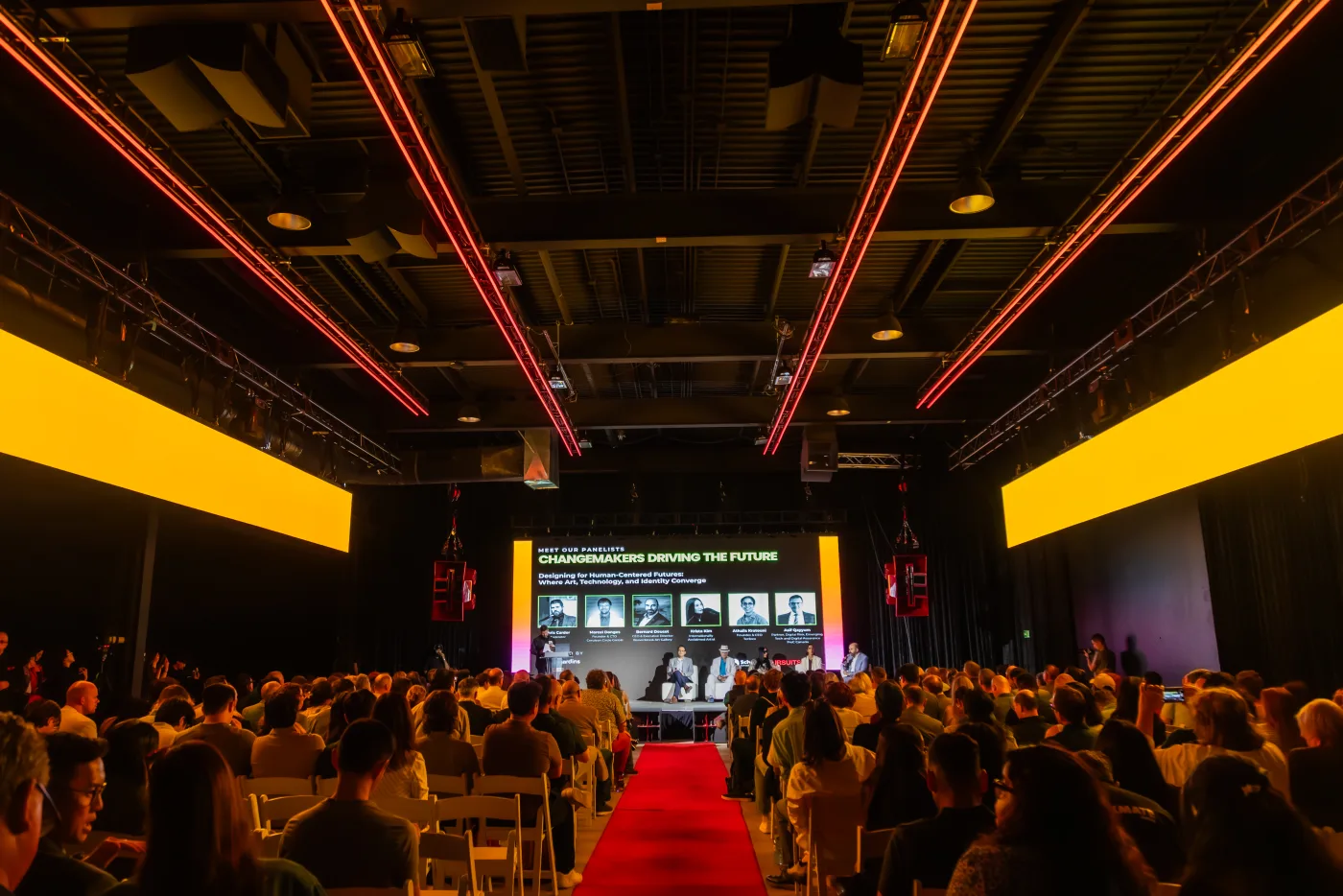
Toronto has a broad range of location options, from residential interiors and heritage buildings to industrial warehouses and dedicated studio facilities. At the working end of the production spectrum, the most functional locations are the ones where technical requirements were part of the original design, not accommodated after the fact.
Demo Room was designed as a production environment first. Every decision about the physical space was made in the context of what it means for a production team on the day: where lights go, how equipment moves through the space, where crew sets up between setups, where gear gets staged, and how the room reads from multiple camera positions.
For film, commercial, music video, and content production in Toronto, starting with a space that was built for production is the most efficient way to protect both the creative and the budget.
If you are scouting locations for an upcoming production, book a private tour of Demo Room and walk the space with your team before committing.
build it at demo room
A production-capable venue that plans the technical thinking with you, not after you.