

Most production problems can be traced back to questions that were never asked before the venue contract was signed. A thorough technical assessment before booking saves more time and budget than any workaround invented after the fact.
This checklist covers the technical and operational factors every event producer should confirm before committing to a venue in Toronto.
Power
Power is the most consistently underestimated venue requirement in production.
Start by confirming the total available amperage and the phase configuration. Three-phase power at 400 amps or higher is appropriate for technically demanding productions. Single-phase service at 200 amps or less will limit what can run simultaneously without tripping circuits.
Confirm whether cam-lock tie-in is available and where distribution panels are located throughout the floor. Venues without cam-lock access typically require extension cable runs from a single service entry, which is inefficient and creates overloaded circuit risk when multiple departments are drawing power across the space.
Ask whether the power is shared with other tenants, floors, or building systems. Shared service can cause voltage sag during peak usage, which creates lighting flicker and audio instability during the moments that matter most.
Finally, confirm whether the venue has standby generator capacity or uninterruptible power supply infrastructure for critical systems. For productions where an unexpected interruption during a live show or shoot would be catastrophic, backup power planning should be a line item in the venue conversation, not an afterthought.
Rigging
Get the rated load capacity of every overhead rigging point in writing before signing anything.
Ask when the rigging infrastructure was last inspected and whether documentation is available on request. Certified rigging with posted load ratings is not a luxury for large productions. It is the baseline standard for anything hung overhead.
Confirm whether rigging points are distributed across the full floor grid or concentrated above a fixed stage area only. Flexible productions that need to move lighting and scenic positions require grid coverage across the entire space.
Ask about the venue's policy on incoming production riggers. Some venues require all rigging to be performed by their approved contractors. Others allow incoming teams to work with their own riggers under supervision. Both approaches work, but the policy affects the labor budget and scheduling.
Confirm the clearance from the rigging grid to the floor at the working trim height, not just at the peak of the ceiling. The relevant number for production is the distance from the bottom of the hung truss to the stage or floor below, not the architectural ceiling dimension.
Audio Infrastructure
Request the specifications for the in-house audio system, including manufacturer and model for main arrays, subwoofers, and any installed monitor system.
Confirm the number and location of front-of-house positions and whether the production team has flexibility in positioning the mix position. A FOH position with obstructed sightlines to the performance area compromises the operator's ability to mix effectively and react in real time.
Ask about signal routing infrastructure: how many channels are available from stage to FOH, whether the multicore or digital stage box is included in the rental, and whether the system accepts external consoles or requires operation through the venue's installed desk only.
Confirm whether the in-house system can be bypassed entirely for productions that prefer to bring their own audio rig, and what the tie-in process is for connecting an incoming system to venue distribution.
Video and Signal Infrastructure
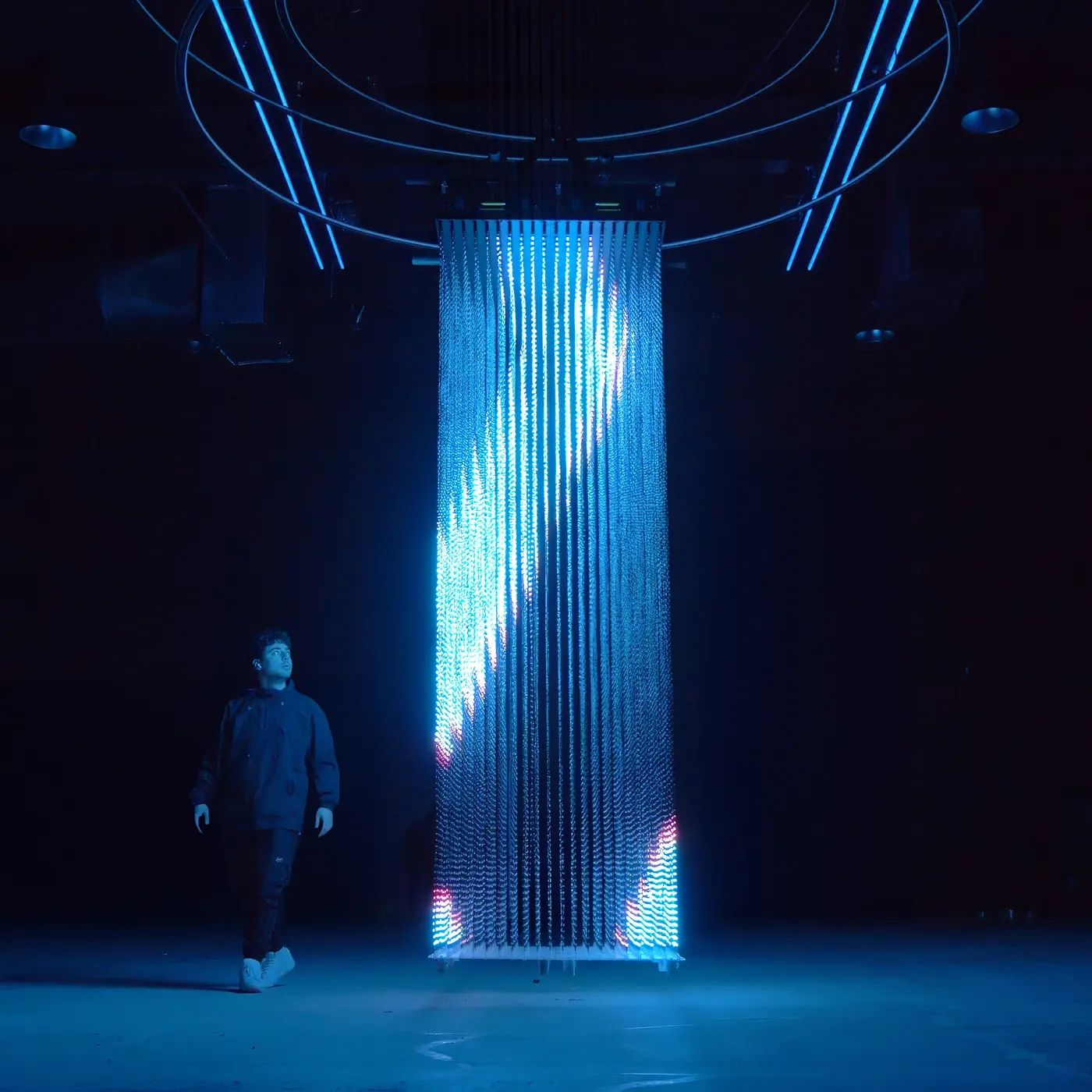
Ask whether the venue has in-house LED or projection infrastructure, and if so request full specifications: pixel pitch for LED, lumens and throw ratio for projection, and the age of the equipment.
Confirm signal routing pathways from the production area to any displays. Venues with installed signal infrastructure, fiber runs, HDMI, or SDI distribution reduce the time and cost of getting video signal where it needs to go. Venues without existing signal infrastructure require cable runs to be installed during load-in, which adds labor hours.
For productions using the venue's in-house visual systems alongside incoming production equipment, confirm signal compatibility, accepted input types, latency characteristics, and who is responsible for system operation and troubleshooting on show day.
Connectivity
Internet connectivity is increasingly critical for productions involving streaming, cloud-based media playback, ticketing, interactive installations, RFID personalization, or guest registration.
Confirm available bandwidth, whether the production team can access a dedicated network segment isolated from guest WiFi, and whether hardwired ethernet connections are available throughout the space.
Ask about cellular coverage reliability inside the building. Concrete-heavy or older structures often have poor interior cell signal, which affects mobile payment systems, communication between crew members, and any production element that relies on a mobile connection.
For broadcast or streaming productions, ask whether dedicated fiber connectivity is available or can be arranged in advance.
Load-In and Access
Walk the full load-in path before confirming the venue. Measure the width and height of every doorway and elevator opening on the route from the street to the production floor.
Confirm access hours for load-in and whether the timeline can be extended if the production requires early access or overnight setup. Ask about access to loading docks, freight elevators, and on-site parking for production vehicles.
For large productions, confirm whether multiple load-in channels are available simultaneously or whether all equipment must flow through a single access point. A single access point during a compressed load-in window is one of the most predictable causes of schedule overrun on show day.
Ask whether the venue allows production vehicles to remain on-site during the event or requires them to be moved off the property after load-in is complete.
Climate Control
Production lighting, amplifiers, video processing equipment, and dense audiences all generate significant heat. Venues without adequate HVAC capacity for production conditions become uncomfortable quickly, and heat stress on sensitive equipment is a real risk during extended runs.
Confirm that HVAC systems can maintain stable temperature under full production load. Ask whether HVAC can be shut down during takes or recording passes, and how quickly it can be restarted without creating noise or airflow disturbance that affects the room.
Ask about air circulation patterns and whether existing ductwork or fan systems create low-frequency noise that affects audio recording or live mixing.
Crew and Production Areas
Confirm the location and scale of backstage or green room space available to the production. For performances, these areas need to accommodate the full number of artists and crew members working the event, with appropriate separation from audience areas.
Ask whether there are dedicated production offices or secure storage areas that can be locked between production days. For multi-day productions, the ability to leave equipment staged and a crew presence in the building overnight changes the production schedule significantly.
Confirm the location of washrooms relative to both crew and audience traffic patterns, and whether the venue has catering or craft service infrastructure available for production crews during extended days.
A Final Note on Venue Transparency
The most useful venues for production are the ones that are direct about their capabilities and honest about their limitations. A venue that overstates what its infrastructure can support creates problems on the day the audience walks in. A venue that understands its own technical specifications and communicates them clearly saves weeks of logistics and allows the production to be designed around reality.
When evaluating venues in Toronto, treat technical transparency as a positive signal. It means the venue understands production well enough to know where it helps and where it does not.
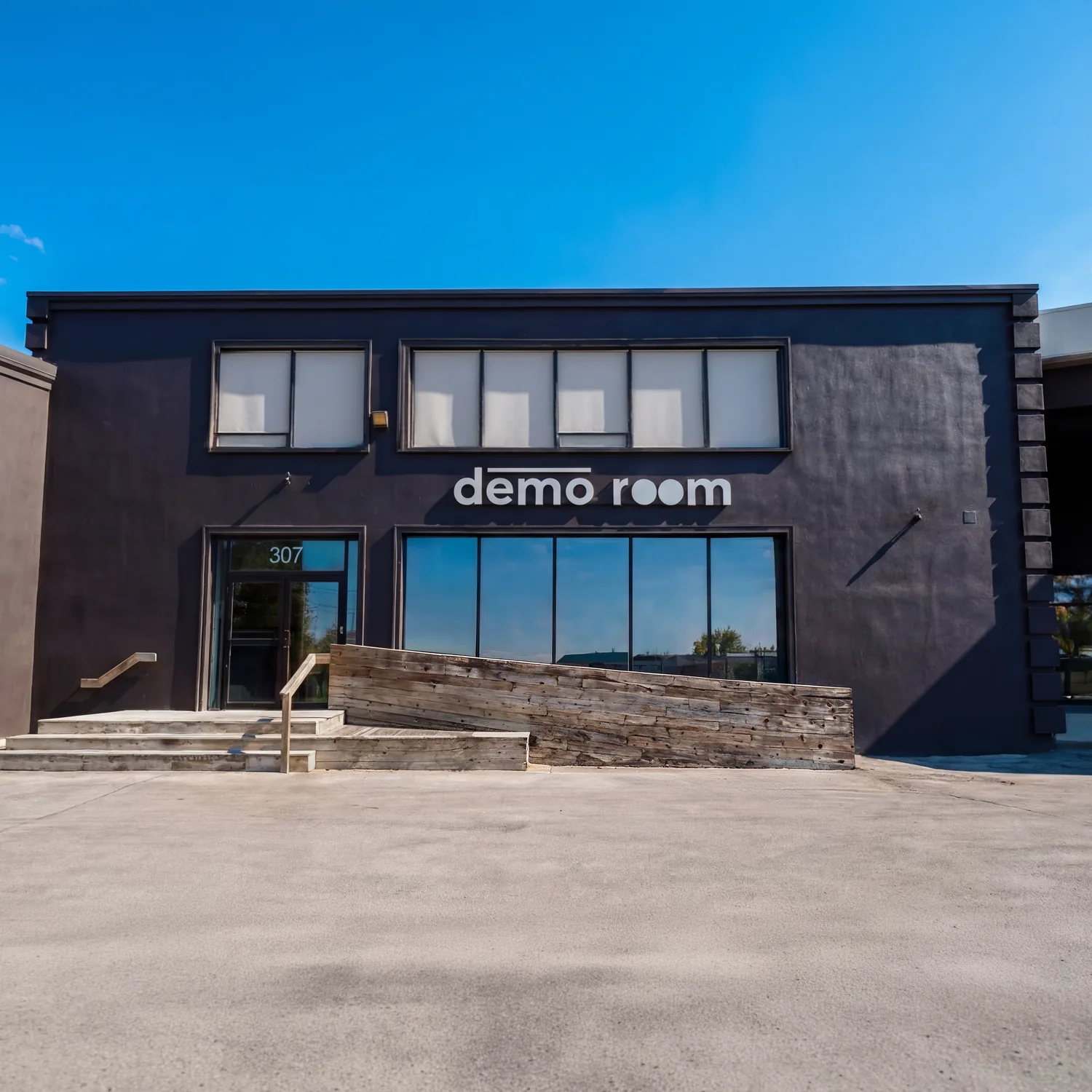
Demo Room approaches every inquiry this way: starting with what the space can actually do, then working with the production team to design the right solution within those parameters.
If you are planning a technically complex event in Toronto, get in touch with the Demo Room team to scope what your production actually needs.
build it at demo room
A production-capable venue that plans the technical thinking with you, not after you.